Canon VCM and Z Lenses Explained

The Hybrid Lens Range for Serious Creators

The RF lens system has grown fast. But within that range, two categories of lens are built for something specific: the hybrid creator who moves between photography and professional video production in the same session.

Those two categories are identified by the letters VCM and Z in the lens name. They use different technologies, cover different focal lengths, and solve different problems. Together they form the core of Canon's hybrid lens range for serious creators.

This article explains what each technology does, which lenses carry it, and how to think about building a hybrid kit around them.

WHAT IS VCM?

VCM_actuator_diagram_VCM

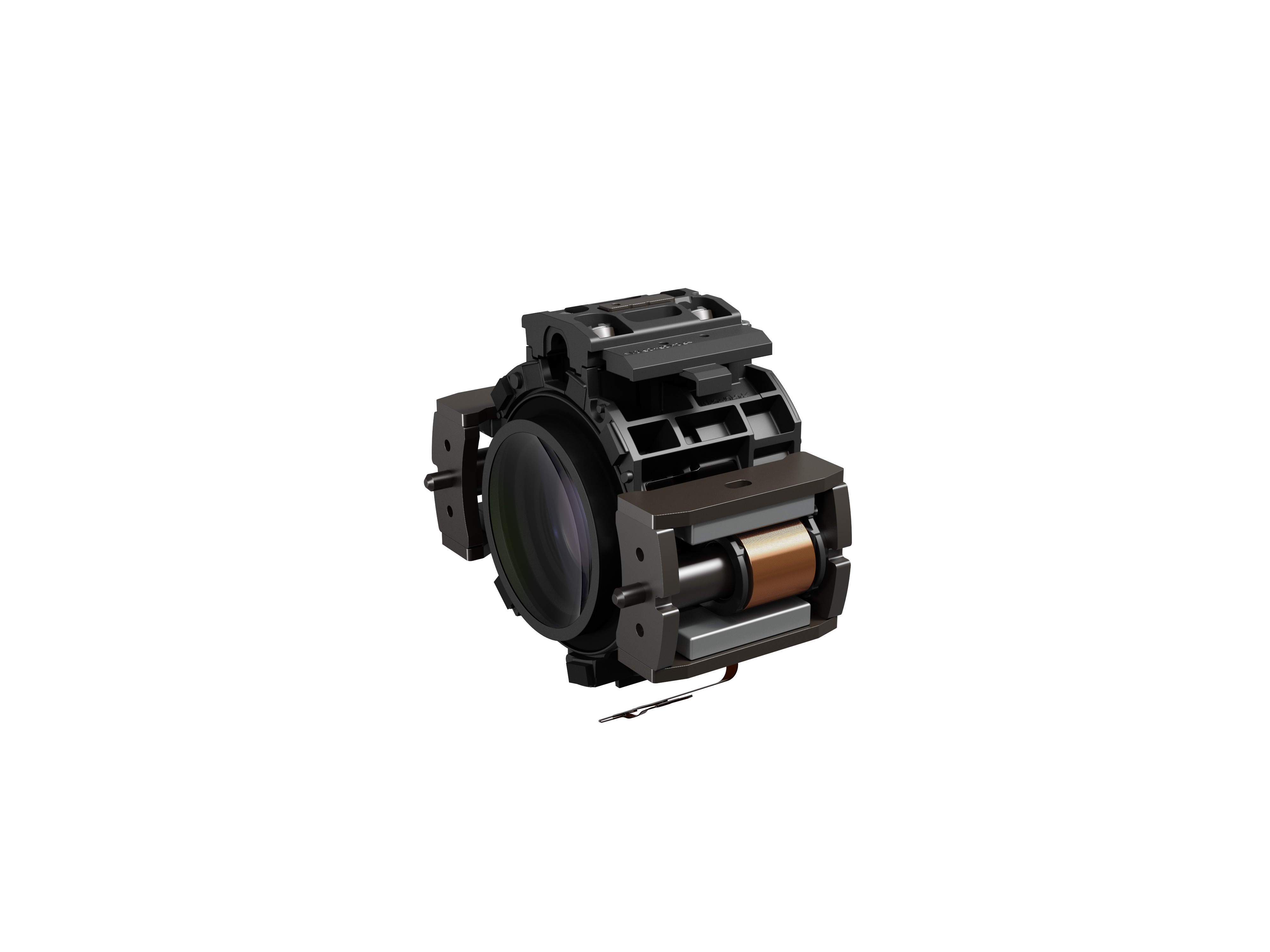
VCM stands for Voice Coil Motor, Canon's newest focusing technology, introduced in June 2024 with the RF 35mm F1.4L VCM. Unlike the Stepper Motors (STM) and Nano USM motors used in other RF lenses, VCM uses magnetic force to move the focus group.

That magnetic drive gives VCM two advantages that matter for hybrid shooting: it can move the large, heavy focus groups found inside fast-aperture L-series primes, and it does so with near-silent, fluid motion that works equally well for stills and video.

VCM AND FOCUS BREATHING

Focus breathing is the shift in framing that occurs when focus changes. The image appears to push in or pull out as focus moves between distances. On stills, this is generally invisible. On video, especially during a deliberate focus pull, it is immediately apparent and looks unprofessional.

Canon's VCM lenses address this directly. Each lens pairs a primary VCM motor with a secondary Nano USM motor working on a second lens group. The two motors move independently, and that independent control compensates for breathing during a focus pull.

For filmmakers, that is the difference between footage that looks intentional and footage that looks like it was shot on a stills lens with no regard for video behavior.

Every VCM lens in the current lineup shares the same physical diameter and filter thread size (67mm), the same button and ring layout, and the same overall length. Swapping between VCM lenses on a gimbal requires no rebalancing. That uniformity is deliberate, and it is one of the most practical advantages of building a VCM kit.

All six lenses carry an iris ring for click-less manual aperture control during video recording, L-series weather sealing, an 11-blade aperture for cinematic bokeh, and a customizable function button.

RF 24MM F1.4L VCM FOCUS BREATHING IN ACTION

THE VCM LENS RANGE

The range currently covers 14mm to 85mm at f/1.4 across six primes, spanning ultra-wide to medium telephoto. Every common focal length for hybrid portrait, documentary, narrative, and event video work is covered within a single, matched set.

Canon RF 14mm F1.4L VCM

RF 14MM F1.4L VCM

An ultra-wide aperture of f/1.4 at 14mm is rare at any price. This lens opens up astrophotography and dark interior shooting that was not achievable in this focal length before. The 114-degree diagonal angle of view makes it useful for extreme sport, action, and any shooting situation where the environment needs to feel vast.

Canon RF 20mm F1.4L VCM

RF 20MM F1.4L VCM

At 20mm, this lens is built for immersive environment shooting, architecture, interiors, and any scenario where the location is as important as the subject. At f/1.4 it handles very dark environments without significant ISO compensation.

RF 24MM F1.4L VCM

RF 24MM F1.4L VCM

The 24mm extends VCM technology to a wider field of view. At f/1.4 it handles low-light interior shooting and environmental portraiture with strong subject-background separation. The same dual-motor system delivers breathing-controlled focus pulls across the full focus range.

RF 35MM F1.4L VCM

RF 35MM F1.4L VCM

The lens that started the VCM range. At 35mm on full-frame, it covers the classic documentary and environmental portrait focal length: wide enough to include context, long enough to avoid distortion at close range. The first Canon RF lens to pair VCM and Nano USM in a dual-motor focus breathing control system

RF 50MM F1.4L VCM

RF 50MM F1.4L VCM

The 50mm brings VCM technology to the classic standard focal length. On a full-frame body it replicates the most natural human field of view for a focused subject, making it the most versatile focal length in the range for everyday hybrid shooting: narrative, portrait, documentary, and commercial work. Shares the same physical dimensions and filter thread as the 24mm and 35mm VCM lenses

RF 85MM F1.4L VCM

RF 85MM F1.4L VCM

The 85mm is the classic portrait focal length, and its addition to the VCM range is significant. Portrait compression, smooth background separation at f/1.4, and breathing-controlled focus pulls make this the natural choice for portrait, wedding, and beauty video work within the VCM system. Air Sphere Coating reduces ghosting and flare, useful in backlit portrait situations. At approximately half the size and weight of the RF 85mm F1.2L USM, it is built for handheld and gimbal use.

Z LENSES: MOTORIZED ZOOM FOR PROFESSIONAL VIDEO

WHAT DOES Z MEAN?

The Z suffix in a Canon RF lens name indicates compatibility with Canon's Power Zoom Adapters: the PZ-E2 and PZ-E2B. These adapters attach to the lens; add motorized, electronically controlled zoom to a system that would otherwise rely on the operator's hand.

Manual zoom during a recording introduces vibration, inconsistent speed, and requires the operator to stay physically connected to the lens throughout the shot. Motorized power zoom removes all three of those constraints. Zoom speed is adjustable via a stepless dial, from slow cinematic movement to fast repositioning, and can be operated via the adapter itself, via custom buttons on compatible Canon cameras, or remotely through the Canon EOS Utility or Canon Camera Connect app.

The PZ-E2 draws power through contacts on the lens from the camera: no separate battery needed. The PZ-E2B adds a 20-pin port for compatibility with Canon cinema and broadcast accessories including zoom demands, focus demands, the Zoom Servo Grip ZSG-C10, and real-time lens metadata output for VFX and virtual production workflows. Both adapters attach and detach without a special tool, even with the lens already mounted on a rig, gimbal, or tripod.

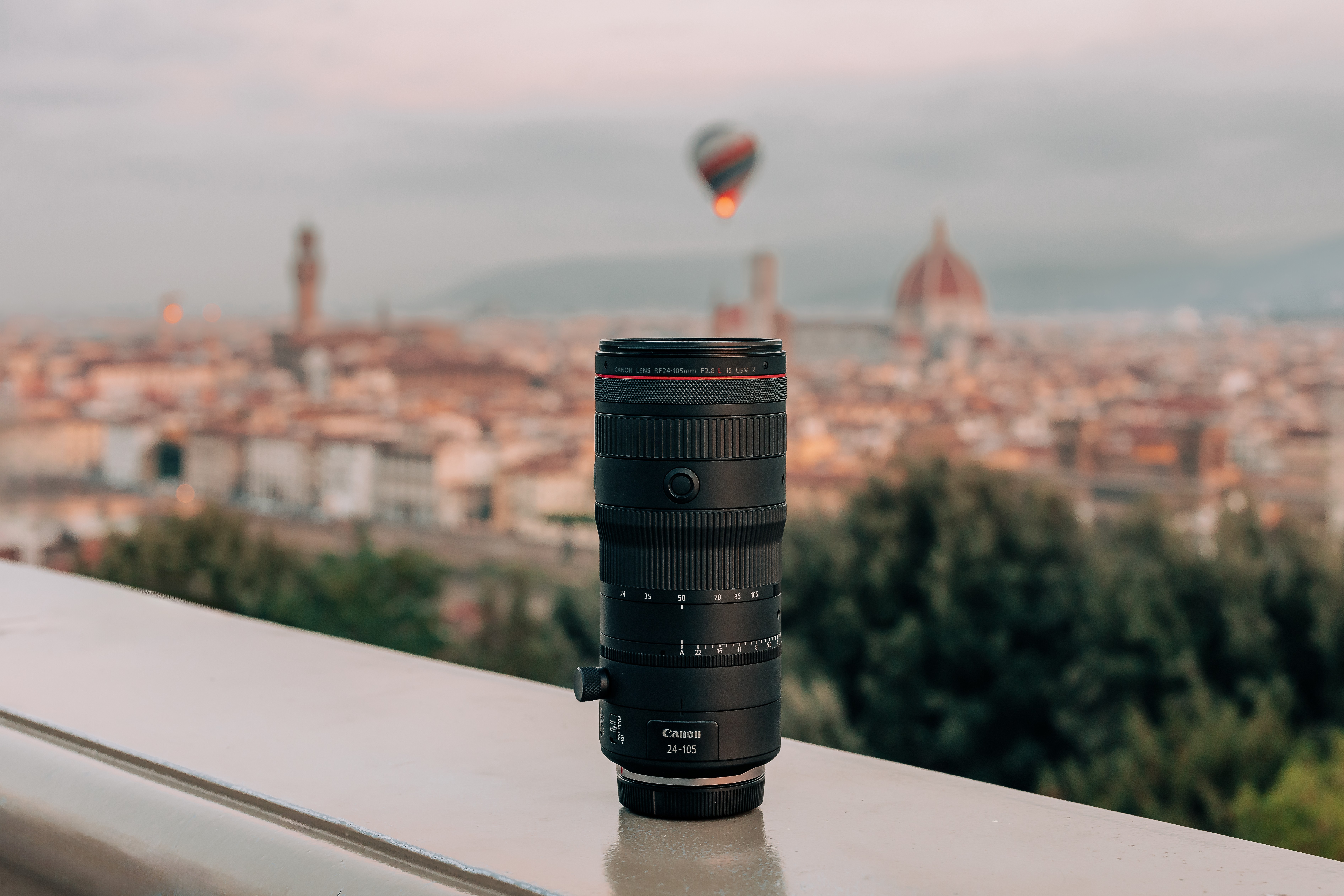
RF 24-105mm F2.8L IS USM Z

WHAT ELSE DEFINES A Z LENS

Both current Z lenses use an internal zoom and internal focus design: the lens barrel does not extend externally during zoom or focus operation. This keeps a rig or gimbal balanced throughout a shot and maintains weather sealing at every focal length and focus distance.

Both hold a constant f/2.8 across the full zoom range. Exposure and depth of field stay where you set them throughout any zoom movement. Both use Dual Nano USM autofocus with floating lens groups, delivering smooth, quiet AF during video and maintaining focus during zooming. Focus breathing correction is supported on compatible EOS R cameras.

The RF 24-105mm F2.8L IS USM Z was the first RF lens to carry an iris ring, introducing click-less manual aperture control to the RF zoom system. The VCM primes have since carried iris rings across the entire range. On the Z lenses, the iris ring currently functions in video mode; full stills compatibility requires an EOS R-series camera introduced in 2024 or later.

THE Z LENS RANGE

RF 24-105MM F2.8L IS USM Z

RF 24-105MM F2.8L IS USM Z

The world's first 24-105mm standard zoom lens with a constant f/2.8 maximum aperture throughout the entire focal range. Every previous 24-105mm lens from any manufacturer narrowed its aperture as it zoomed. This one holds f/2.8 from 24mm to 105mm.

That constant aperture means exposure and depth of field remain stable throughout any zoom movement during a take. Dual Nano USM powers two floating focus groups independently, keeping focus locked during zooming and enabling focus breathing correction on compatible cameras. Optical IS delivers 5.5 stops standalone and 8.0 stops combined with IBIS. The filter thread is 82mm.

RF 70-200MM F2.8L IS USM Z

RF 70-200MM F2.8L IS USM Z

The RF 70-200mm F2.8L IS USM Z extends the Z range into telephoto territory with the same internal zoom and constant f/2.8 design. Portrait work, stage and performance filming, sport, and any situation where compression and background separation at distance are the priorities.

Dual Nano USM motors run two floating focus units that operate in tandem or independently. That floating system is specifically optimized for focus breathing control at the lens level. Air Sphere Coating on internal elements reduces ghosting and flare in high-contrast scenes: stage lighting, strong backlit environments, direct sun. Compatible with Canon RF Extenders 1.4X and 2.0X throughout the full zoom range, extending reach to 400mm at f/5.6 without restricting zoom operation.

HOW VCM AND Z LENSES WORK TOGETHER

VCM lenses and Z lenses solve different problems, and they sit within the same hybrid lens philosophy: professional optical quality with video-specific engineering built in from the ground up.

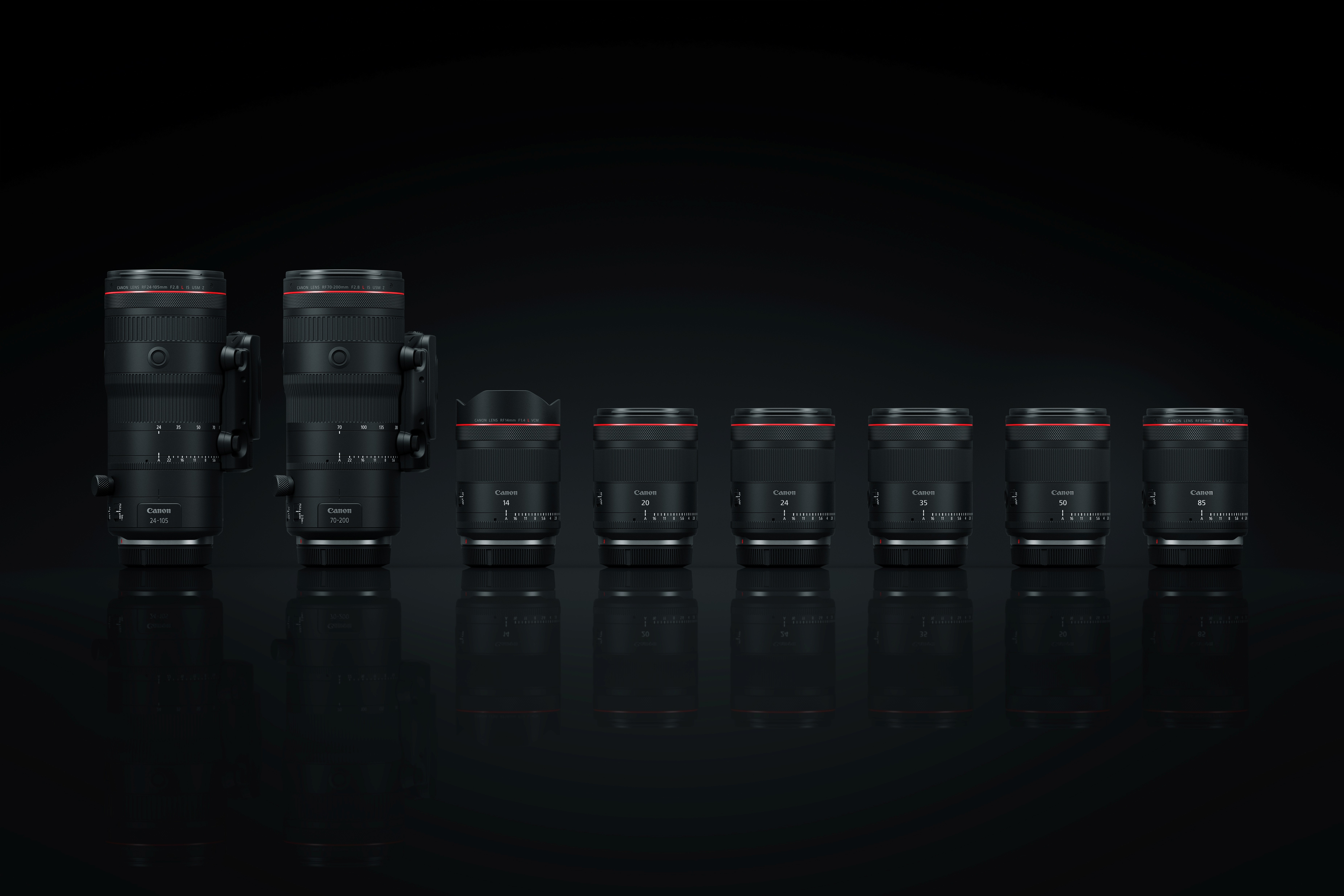
VCM lenses are primes. They currently cover 14mm to 85mm at f/1.4 across six matched lenses, built for situations that demand maximum image quality, fast apertures in low light, and precise, breathing-controlled focus pulls. Every lens in the range shares the same physical diameter, filter thread, and button layout, making them practical to swap on a gimbal mid-production.

Z lenses are zooms. They cover 24mm to 200mm at a constant f/2.8, built for operators who need versatility across a production without changing glass. The Power Zoom Adapter adds motorised zoom control that allows smooth, repeatable zooms during a take, operated by one person on a gimbal, rig, or handheld.

A hybrid kit built around VCM primes and Z zooms gives a creator the full range of focal lengths from 14mm to 200mm, and beyond 200mm with Extenders on the 70-200mm Z, with consistent optical quality and consistent video-first engineering across every lens.

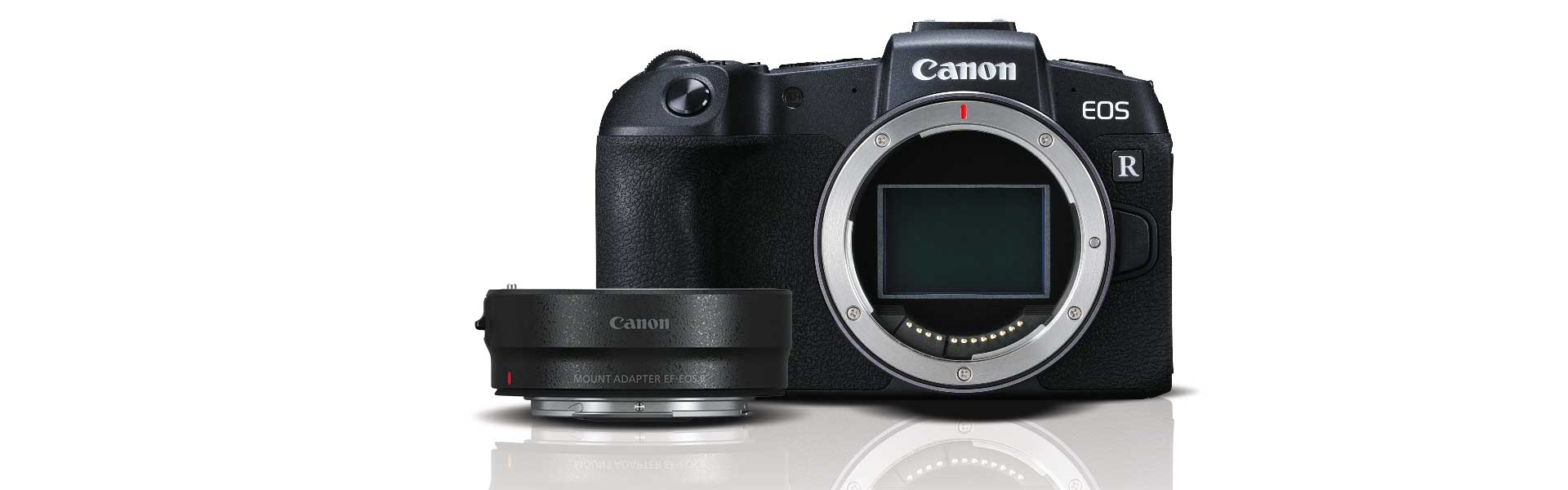
Both families carry L-series weather sealing, 11-blade apertures, and iris rings for click-less aperture control during video. Both integrate with Canon EOS R-series cameras and Cinema EOS bodies with an RF mount adapter, including the EOS R6 Mark III and EOS R6 V.
CHOOSING BETWEEN VCM AND Z LENSES

The choice is rarely one or the other. Most professional hybrid kits will include both.

Reach for a VCM prime when maximum optical quality at a specific focal length is the priority, when low light demands f/1.4, when the shoot is deliberate and focal length choices are made in advance, or when precise, breathing-controlled focus pulls are part of the planned filmmaking language.

Reach for a Z lens when the production demands flexibility across a zoom range, when a single operator needs to cover multiple subject distances without switching glass, or when smooth motorized zoom control during a take is part of the intended visual language.

For a solo hybrid creator who shoots both stills and video professionally, the RF 50mm F1.4L VCM and the RF 24-105mm F2.8L IS USM Z together cover the most common focal lengths with two lenses. Between them they provide iris ring control, power zoom capability, focus breathing management, and fast-aperture low-light performance in a practical, gig-ready two-lens kit.

SEE ALSO